
Documents and Hong Kong departures
Q1What documents do Hong Kong residents need for Fujian?
Chinese-national Hong Kong and Macao residents generally use a valid Mainland Travel Permit, rather than a local identity card alone. Non-Chinese permanent residents should confirm eligibility for the separate permit or an applicable visa. Check names and validity against transport, accommodation and booking records.
Q2What is a convenient way to reach Fujian from Hong Kong?
Compare West Kowloon rail and available flights including border checks, waiting, transfers and destination location. Start preparing 2–3 weeks ahead. MTR’s general channels sell tickets for departures within 15 days; group arrangements require separate confirmation, so seats are not guaranteed three weeks in advance.
Q3What if direct West Kowloon tickets are unavailable?
Consider West Kowloon–Shenzhen North followed by a Fujian train. Confirm both tickets, the same interchange station and sufficient transfer time; compare other dates or flights too. Record the backup plan, but distinguish a proposal from issued tickets.
Q20What documents do Hong Kong children need?
Prepare the child’s own valid entry document according to nationality and status; Chinese-national Hong Kong children generally use their own permit. Register eligible free rail passengers too. Confirm relationship, guardianship or non-parent accompaniment documents with carriers, authorities and hotels rather than assuming one universal checklist.
Q21How long is the family rail trip to Xiamen, and what if tickets sell out?
Direct and Shenzhen North connections have different total times. Include West Kowloon border procedures, waiting and transfer buffers; 4.5–5.5 hours is not a universal total. Confirm sellable tickets or alternatives before fixing transfers and hotels; an unbooked connection is not guaranteed.
Routes, attractions and family trips
Q4How many days suit a Hong Kong group?
Allow roughly 2–3 days for a focused hometown or county visit, 4–5 for Xiamen–Tulou family travel, and longer for study routes spanning Longyan, Wuyishan and coastal cities. Arrival times, walking ability and exchange schedules determine feasibility.
# Q4Q6Where can Hong Kong youth study groups go?
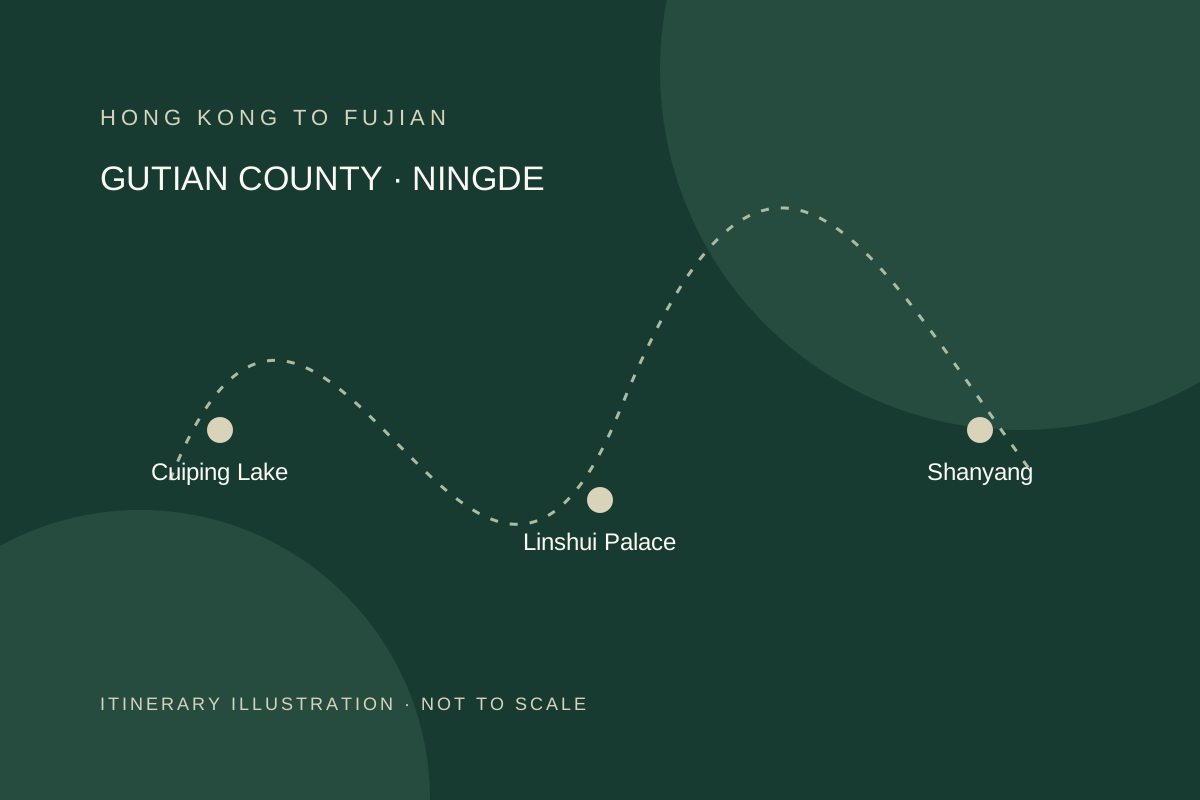
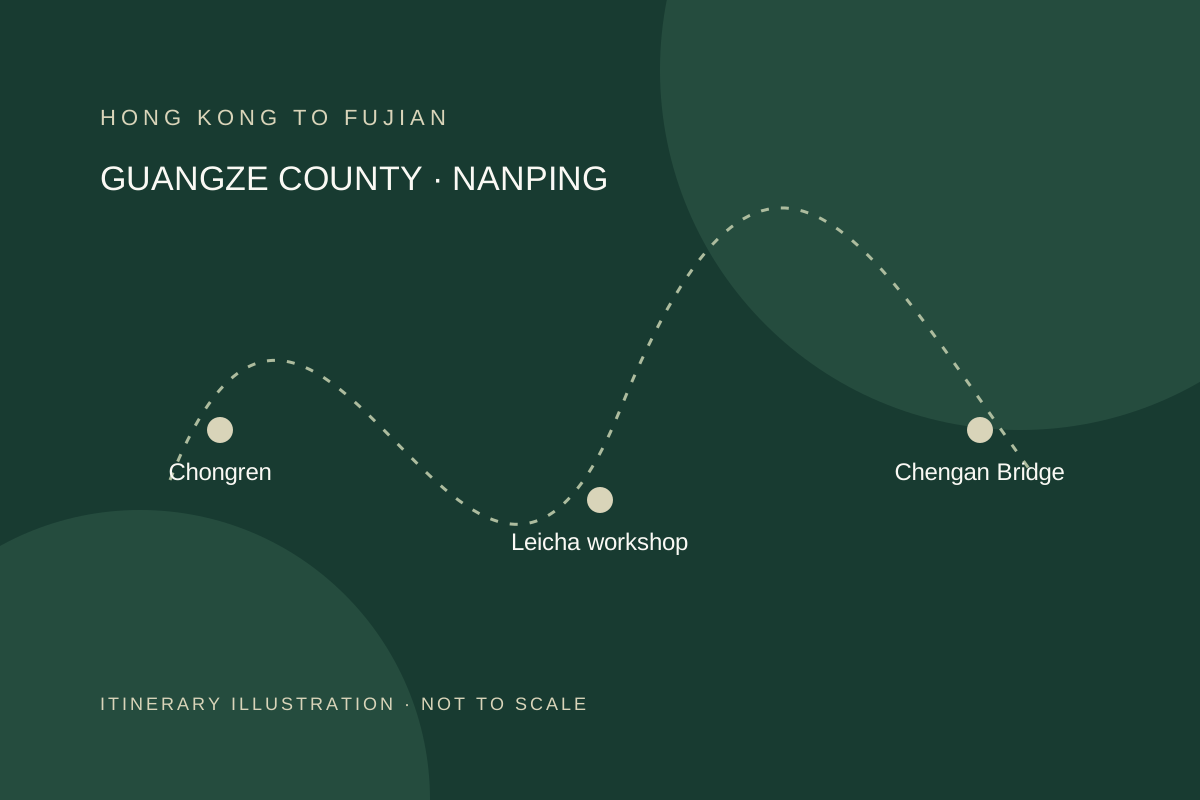
Consider a history and culture route through Yongding Tulou, the Gutian Conference site in Longyan, Wuyishan, Fuzhou, Quanzhou and Xiamen. Shorter trips can focus on Guangze’s heritage, nature and industry. Longyan’s conference site differs from Gutian County in Ningde; allow transfer and learning time.
# Q6Q9What should groups check for Wuyishan?
Check current admission and real-name reservation rules. Free admission promotions do not make buses, rafts or shows free. Confirm Jiuqu Stream capacity, weather and operations; packages do not guarantee availability. Offer tea activities or gentler routes for those avoiding Tianyou Peak’s stairs.
Q17What route can first-time Hong Kong groups start with?
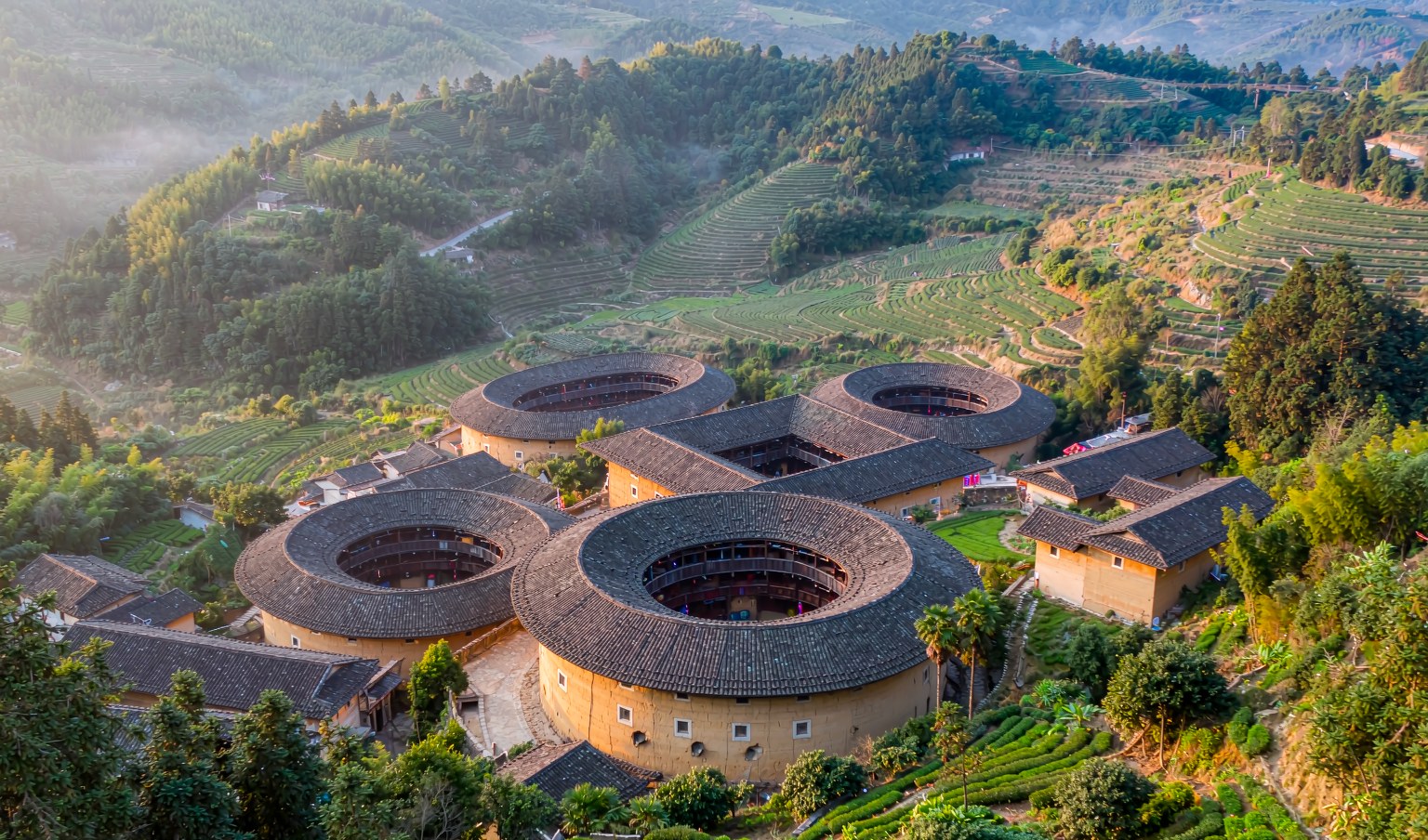
Consider Xiamen arrival and departure, one Tulou area in Nanjing or Yongding, and Quanzhou’s old town over about 5 days. Avoid packing both Tulou areas and several cities into one day. Adding Wuyishan usually needs more days and new transport planning.
# Q17Q19How long suits Hong Kong families with children?
A 5-day Xiamen–Nanjing trip can use 3 nights in Xiamen and 1 in Nanjing, ordered around the route. Keep naps, child-friendly activities and rain alternatives. Use county-town or city accommodation if Tulou-area lodging is unsuitable; avoid squeezing Wuyishan into the same 5 days.
# Q19Q22Is Gulangyu suitable for children and seniors, and how are ferry tickets booked?
Choose stops and breaks around mobility; verify access even in gardens and museums. Fares vary by route and vessel, so RMB35 is not universal. Official guidance allows one return within 20 days on eligible tickets. Check child age or height rules and claim the required ticket; each adult may accompany two eligible free children. Use official booking channels and the child’s own documents.
Study, hometown visits and groups
Q5How do you organize a Hong Kong group of over 100?
Split groups according to lawful vehicle capacity including staff seats; stagger visits and use assigned seats, headcounts and clear meeting points. Starting lists and rooming about 20 days ahead is a planning target, not a universal legal deadline. Confirm ticketing, bookings, insurance and documents separately.
# Q5Q7How does a hometown association visit differ from sightseeing?
Priorities often include ancestry, temples, relatives and community discussions. Provide ancestral clues and visit purposes, then confirm each host’s willingness, timing, ceremonies and photography rules. Government or local-department reception is a separate arrangement, not a standard inclusion.
# Q7Q8Does a Hong Kong group need Cantonese support?
Choose Mandarin, Cantonese commentary or a Cantonese coordinator according to the group’s preferences. Request Cantonese early for seniors or complex exchanges; specify guide credentials, hours, fees and availability in the confirmation.
# Q8Q14Can Hong Kong and Fujian students meet?
We can help propose exchanges, subject to school agreement, dates, participants and permissions. Joint observation cards, cultural interviews or group presentations work better than photographs alone. Confirm safeguarding and image consent; pairing or school access is not guaranteed.
# Q14Meals, shopping and quotes
Q10Will a Hong Kong group be taken to shopping stops?
For a no-shopping itinerary, record the absence of shopping stops and sales targets in the formal confirmation. List any guest-requested craft or shopping visits separately, clarifying time, voluntary participation and costs rather than relying on verbal promises.
# Q10Q11How are meals planned for Hong Kong groups?
Ask actual preferences rather than assuming one taste for all Hong Kong visitors. Discuss lighter dishes, less spice or salt, vegetarian, child and religious meals. Confirm allergens and cross-contact limits with restaurants; a preference list alone cannot guarantee no risk.
# Q11Q15Does the quote include Hong Kong–Fujian transport?
We generally start with Fujian ground arrangements; confirm cross-boundary trains, flights and intercity travel separately. Booking assistance may be discussed, but specify ticket status, fees, baggage, changes and transfers. Assistance does not mean inclusion in the group price.
# Q15Q16Can you provide receipts and support institutional procurement?
We can provide itemized services and compliant transaction documents, and discuss plans and completion reports for schools, associations and businesses. Supply billing names, payer, procurement documents and deliverables in advance; the Hong Kong or Macao institution confirms its own reimbursement rules.
# Q16Seasons, disruptions and care
Q12Which seasons suit a Fujian trip?
Spring or autumn can be useful starting points for city walks and scenery, but coast and mountains differ. Rain, heat and typhoons may disrupt plans. Summer groups need indoor alternatives and drinking-water breaks; check destination forecasts rather than treating a month as a weather guarantee.
Q13What happens during typhoons or transport disruption?
Follow official warnings and operators’ notices, then assess postponement, reordered visits, extra accommodation or other safe transport. Road travel is not automatically safe in a typhoon. Confirm refunds, changes, price differences and responsibility; disruption does not guarantee free changes.
Q18Does a Hong Kong group need accompanying medical staff?
Assess ages, health and mobility needs, activities and institutional requirements rather than using a fixed staffing rule for 100 people. Discuss appropriately qualified staff, first-aid supplies, emergency contacts, scope and fees. Travelers with health concerns should consult their own healthcare professional before departure.
# Q18